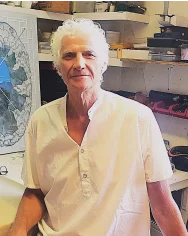
Onder de naam Artfox laat kunstenaar Hans van Wingerden het fotografische werk zien. In deze website komen een aantal werken in beeld die hij in de loop van zijn werkzame leven heeft gemaakt. Hij laat u kennis maken met deze tak van kunstactiviteiten, die hij naast andere werken sinds 1984, van tijd tot tijd heeft realiseerd!
- Hans van Wingerden
Beroep: beeldend kunstenaar/curator/adviseur
Opleiding: Koninklijke Akademie voor Kunst en Vormgeving te ’s-Hertogenbosch, 1969/1974
Onderscheiding:
Koninklijke Subsidie 1977, Premier Artist Prize 2025, Artist Index Prize 202
Exposities: (vanaf 2000 tot heden
Solo, o.a.
2026 Hedendaags Kunstkabinett, ‘s-Hertogenbosch
2010 Hooghuis Foto tentoonstelling, Heusden
2000 WTC, Amsterdam
Groeps, o.a.
2025 Open Atelier + tentoonstelling, 's-Hertogenbosch
2025 Plaatsmaken, Roermond
2024 Nieuwe Kunstruimte, 's-Hertogenbosch
2023 Open Atelier + tentoonstelling, 's-Hertogenbosch
2022 Noorderkunstlicht, 's-Hertogenbosch
2021 Kunstroute, 's-Hertogenbosch
2019 Poezie, Theater a/d Parade, 's-Hertogenbosch
2018 Cultuurcentrum Zwaneberg, Heist op den Berg, Belgie
2005 Kunstcentrum Keg, Schijndel
2001 Stokpunt, ‘s-Hertogenbosch

Door Marta Puig, Redacteur/Curator Hedendaags Kunst Tijdschrift. (gedeeltelijke weergave)
Van Wingerden, geboren in Nederland en opgeleid aan de Academie voor Kunst en Vormgeving in 's-Hertogenbosch (1969-1974), ontstond in de nadagen van het modernisme en de opkomst van de postmoderne twijfel. In 1977 ontving hij de prestigieuze Koninklijke Subsidie en omarmde hij aanvankelijk de technische precisie van het fotorealisme. Maar zoals hij later opmerkte, voelde de moeizame waarheidsgetrouwheid van het medium aan oppervlaktedetails niet toereikend voor zijn diepgaande artistieke verkenning. De dominantie van de foto, de mechanische reproductie die Walter Benjamin 'het verwelken van de aura' noemde, dwong Van Wingerden zich af te vragen wat kunst nog kon behouden in een wereld van onhoudelijke reproductie. Zijn reis van realisme naar conceptualisme was daarom geen stilistische mutatie, maar een filosofische verwijdering. Door de decennia heen articuleert Van Wingerdens oeuvre een coherente filosofische boog, van representatie naar openbaring, van beeld naar idee. Zijn werk bevindt zich op het kruispunt van Dan Flavins fenomenologische kracht, Joseph Beuys' morele bewustzijn en Duchamps semiotische spel, maar blijft onmiskenbaar zijn eigen werk. Waar Flavin de beeldhouwkunst probeert te dematerialiseren door middel van licht, rematerialiseert Van Wingerden de ethiek door middel van verlichting. Zijn neon, in tegenstelling tot Flavins industriële zuiverheid, draagt het residu van de geschiedenis met zich mee, de geest van fabrieken, de herinnering aan arbeid, de melancholie van de teloorgang van de beschaving. Door deze weggegooide elementen terug te winnen, beoefent hij wat mannen een archeologie van het hedendaagse zouden kunnen noemen, waarbij elk werk een plek is waar Het materiële verleden confronteert het ideologische heden. Van Wingerdens toewijding aan conceptuele precisie wordt geëvenaard door zijn gevoeligheid voor betekenis. Zijn installaties zijn niet didactisch; ze nodig hebben uit tot contemplatie. Ze opereren in wat Merleau-Ponty omschreef als "het duidelijk is onzichtbaar", de ruimte waar betekenis samenvalt met bewustzijn. De kijker kijkt niet alleen naar het werk, maar beïnvloedt ook betrokken bij de logica ervan. Het licht dat verlicht, onthult ook. Je kunt niet staan voor mensenrechten of het Z-woord zonder de ethische onrust van toeschouwerschap te voelen. Om Van Wingerdens plaats in de hedendaagse kunstscene te begrijpen, moet je verder kijken dan zijn stilistische achtergrond en je gericht op filosofische resonantie. In een kunstwereld wordt die gedomineerd door spektakel en door de markt duurzame herhaling,
benadrukt zijn praktijk het primaat van het denken. Hij behoort tot een generatie kunstenaars voor
wie kunst een epistemologische handeling is, een middel tot kennis. Zijn werken dagen
de passiviteit van het kijken uit en dwingen de kijker om het beeld te beschouwen in plaats
van het te consumeren. Daarmee herstelt hij de kritische functie van kunst in een
cultuur die kritiek grotendeels heeft losgelaten.
Bovendien belichaamt Van Wingerdens werk een vorm van ethische ecologie, het recyclen
van afgedankte materialen tot nieuwe betekenissystemen. Het neon dat uit
gesloopte fabrieken is gered, wordt een metafoor voor verlossing, de mogelijkheid dat
zelfs te midden van de ruïnes van de vooruitgang het licht blijft bestaan. Zijn kunst spreekt zo tot onze
collectieve betekeniscrisis in het Antropoceen. Het herinnert ons eraan dat
verlichting, zowel letterlijk als figuurlijk, verdiend moet worden, niet aangenomen.
Waar de vroege avant-gardes de grenzen tussen kunst en leven probeerden te vervagen,
kan Van Wingerdens project worden gezien als een omkering: hij herstelt de autonomie van de kunst
juist om het leven kritisch te benaderen. Zijn werken imiteren de
wereld niet; ze diagnosticeren haar. Door middel van een taal van stralende terughoudendheid legt hij de
hypocrisie van de moderne beschaving bloot, de illusie van vrijheid, de commodificatie
van de waarheid en de verdoving van constante zichtbaarheid. Toch zijn zijn werken, ondanks alle
kritiek, niet cynisch. Ze dragen een stil geloof in
het bewustzijn in zich, een geloof dat kunst het bewustzijn nog steeds kan doen ontwaken. Tegenwoordig, terwijl hij
vanuit zijn atelier in Nederland blijft produceren, overal in
Europa exposeert en erkenning krijgt van musea en privécollecties,
wordt Van Wingerden beschouwd als een van de zeldzame kunstenaars die technologische
verfijning combineert met metafysische diepgang. Zijn ontvangst van de Premier Artist Prize
(2025) en de Artist Index Prize (2025) bevestigen slechts wat zijn oeuvre al lang
aantoont: dat betekenis, wanneer integer nagestreefd, relevant blijft.
Hierin ligt zijn blijvende betekenis. Hans van Wingerden is niet alleen een kunstenaar
van vorm, maar ook van betekenis, een alchemist van verlichting die
industrieel afval transformeert tot metafysische reflectie. In een tijdperk van visuele overdaad
herinnert hij ons eraan dat het ware licht niet voortkomt uit wat we zien, maar uit wat we
uiteindelijk kunnen begrijpen.
Door Marta Puig, Redacteur Curator Hedendaagse Kunst Tijdschrift. (gedeeltelijke weergave)
Over mijn andere beeldende werk kunt u de website bezoeken: www.hansvanwingerden.nl
Experience
1974 - to date
Activiteiten Kunst, Fotografie
Sinds 1995 maak ik conceptueel werk over diverse onderwerpen, waarbij ik een kritisch perspectief op het menselijk functioneren aanspreek. Naast de technische integratie inspireerde het me ook om mijn intellectuele doelstellingen vorm te geven. Dit omvat ook toepassingen van fotografie, schilderkunstige effecten, elektronica, leds en neonverlichting als mogelijkheden voor visuele expressie. Het neon is meestal afkomstig uit oude fabriekspanden, waarvan ik er veel in de jaren negentig heb gesloopt en zo van de ondergang heb gered. Het voelt goed om het in mijn werk een nieuw leven te geven, in een compleet andere context. Zo krijgt de letter of een reeks letters een betekenis die loskomt van het puur lithografische aspect dat het ooit had. In mijn huidige werk wordt deze letter, of andere lichteffecten, samengevoegd tot een compleet beeld. De fotografie neemt een aparte plaats in. Het is waar dat het beeld veel of andere mogelijkheden laat zien doordat fotografie, doordat het een andere vorm van kijken toelaat, wat dan ook een directe mogelijkheid van presentatie creëert. De verbindende factor is altijd de kunstenaar die zijn manier van waarnemen de bepalende optie laat zijn. Fotografie heeft ook de mogelijkheid om in series te werken, om er een project van te maken, met meerdere beelden die dezelfde basisprincipes gebruiken. In mijn andere werk kan het projectmatige in een breder perspectief worden gezien. Fotografie loopt min of meer parallel aan mijn andere werk. In mijn huidige beeldende werk is fotografie ook niet ver weg, in een of andere gemanipuleerde vorm, het heel vaak in verschillende posities wordt geïntegreerd.

.jpg?resolution=29x29&type=webp&quality=1)
